Two 60 m² flats, both in Warsaw, both renovated the same month. One came to 58,000 PLN, the other to 141,000 PLN. Floor area explains none of that gap.
Problem
The question how much does a 60 m² renovation cost has no answer, because area is one of the weakest price drivers there is. Square metres say how much there is to do — not what, and not how.
That is why two contractor quotes can differ twofold and both be honest: each assumed a different scope, a different standard and a different starting condition.
Below are nine factors ranked by how hard they move the final bill.
Solution
1. Scope of work — up to ×4
The strongest factor by far. A refresh (paint, minor repairs) is 350-700 PLN/m². A full renovation with new services, screeds and every layer replaced is 2,000-4,500 PLN/m². That is not a difference of standard — it is a difference in what you are doing at all.
2. Finish standard — up to ×2.4
Budget, standard, premium. A 45 PLN/m² porcelain tile and a 340 PLN/m² large-format slab sit on the same floor and need different labour. Standard multiplies materials and labour at the same time, which is why it compounds faster than expected.
3. Condition of services and age of the building — up to +35%
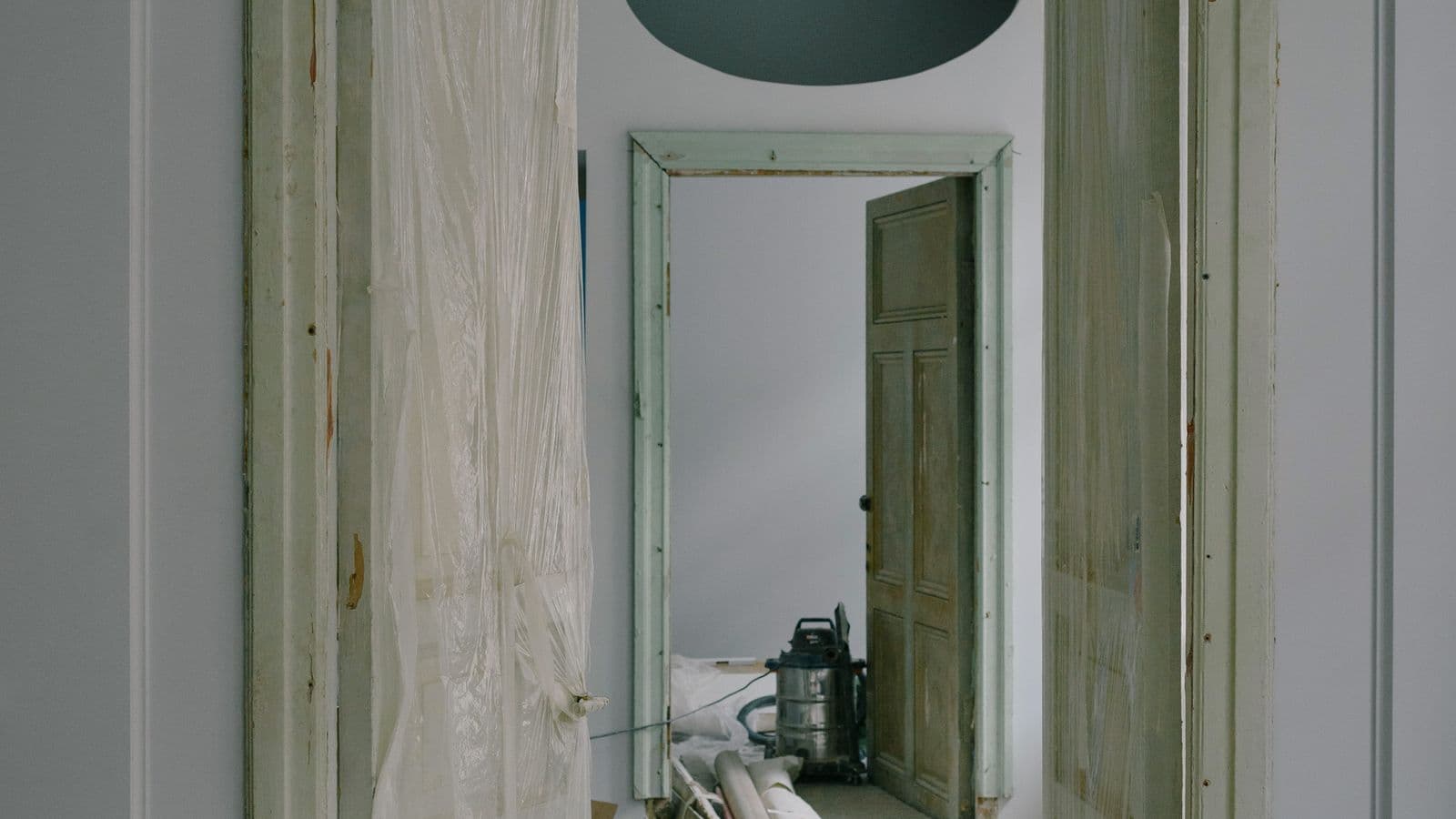
A 1960s-80s block: aluminium wiring, steel pipes, no earthing, slabs of unknown capacity. Replacing services in such a flat is 15,000-33,000 PLN that simply does not exist in a 2015 building.
4. City — up to +36%
2026 labour multipliers: Warsaw ×1.25, Tricity ×1.15, Kraków ×1.12, Wrocław ×1.10, Poznań ×1.00, Łódź ×0.92. Material prices are similar nationwide — labour makes the whole difference.
5. Number of rooms at the same area — up to +25%
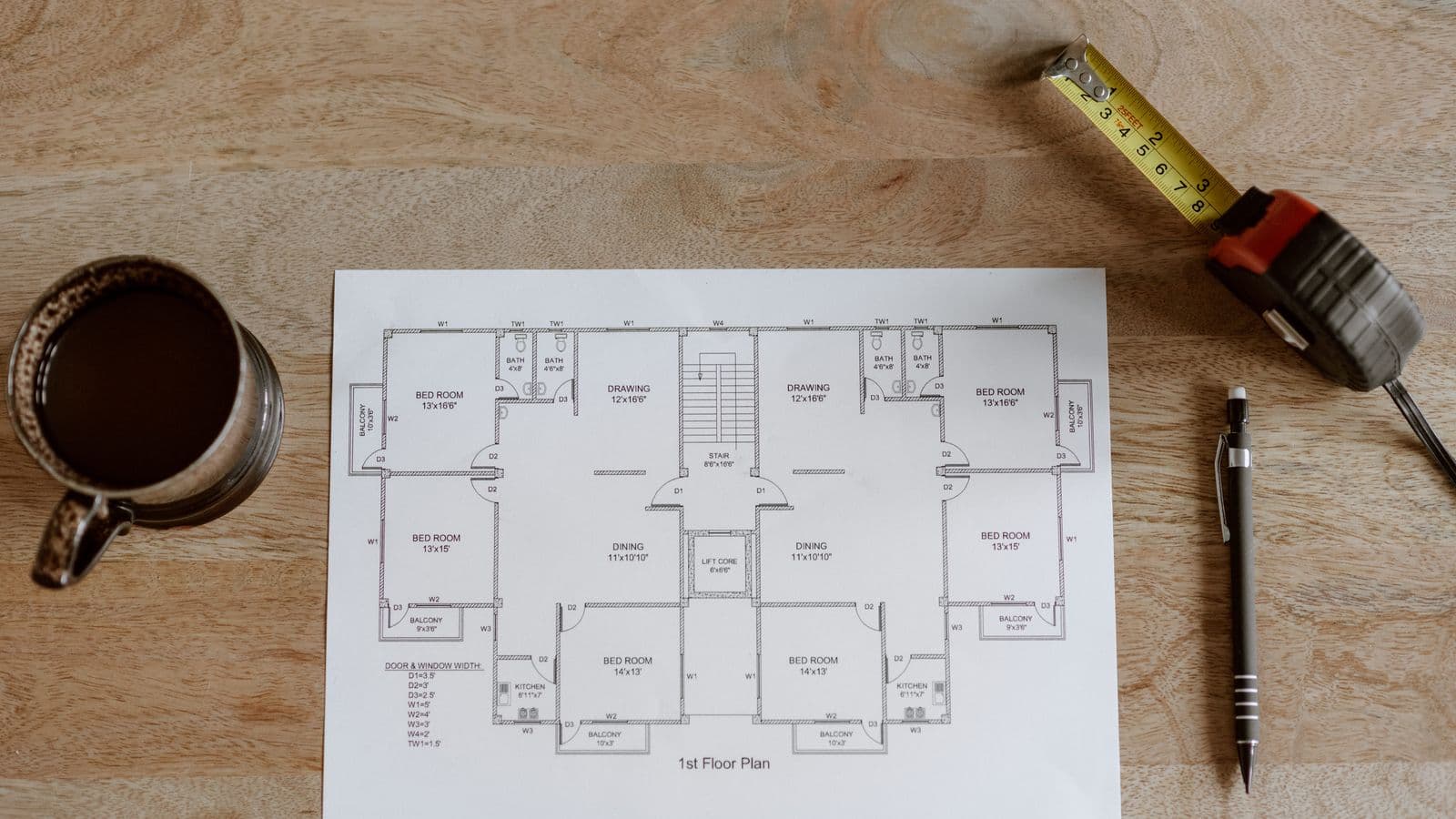
60 m² split into 4 rooms costs more than 60 m² open-plan: more wall surface, more doors, more corners, more electrical points. Same metres, more work.
6. Share of bathrooms and kitchen — up to +30%
These are the most expensive square metres in any flat: plumbing, ventilation, waterproofing, ceramics. A two-bathroom flat is materially more expensive than a one-bathroom flat of identical area.
7. Layout changes — up to +20%
Knocking out a wall is not just demolition: it is a structural opinion (for load-bearing walls), a lintel, relocated services, new screed where the wall stood and ceiling making-good.
8. Timing — up to +15%
Renovating in season (March-October) costs more and crews are harder to book. The same scope in January is often 8-15% cheaper, because crews have gaps in the schedule.
9. Who buys the materials — up to +12%
Materials bought through the contractor usually carry a 10-20% margin, but the contractor owns shortfalls and cutting waste. Buying yourself is cheaper, but the risk of a wrong quantity moves to you.
How to use this
Start with factors 1-3 — they account for roughly 70% of the spread in prices. Only then tune the rest. Optimising the standard while the scope is undefined is choosing trim before the walls exist.
Checklist
- Define the scope before asking about price — that is factor one
- Set the standard separately for each room
- Check build year and service condition — up to +35% of budget
- Apply the city multiplier to labour, not to materials
- Count rooms and corners, not only square metres
- Cost bathrooms and the kitchen separately — the priciest metres
- Consider an off-season start: 8-15% saving
- Decide who buys materials and put it in the contract